Our Program
PGY-1 Dermatology Resident Rotations
During their first year of residency, residents are expected to complete Off-Service Rotations, during which residents are exposed to multiple dermatology-adjacent specialties in order to create fully competent dermatologists by the end of residency.
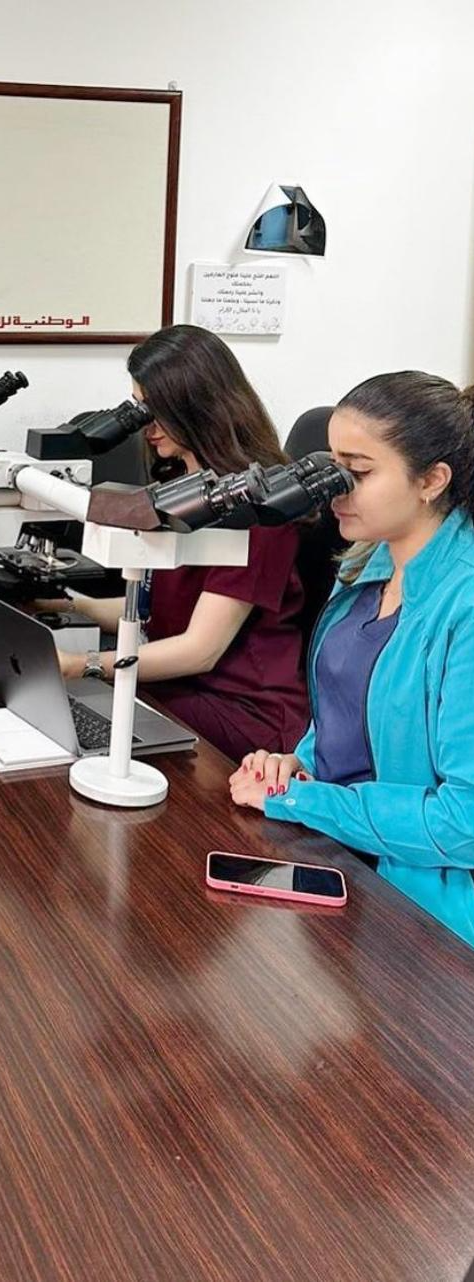
General Dermatology
The resident gets his/her first exposure to General Dermatology during this rotation. The resident gets the opportunity to observe in clinics, learn the basics of dermatology, obtain the skills needed to take dermatological history, come up with dermatological differential diagnoses, and the basics of treatments available for dermatological conditions. This block functions as the transition to discipline for the Kuwait Board of Dermatology and dermatological practice.
Internal Medicine
Dermatology residents attend internal medicine rotation to enhance their understanding of general medicine concepts and broaden their expertise beyond just dermatology. This rotation also exposes residents to dermatological manifestations of systemic diseases.
Pediatrics
Dermatology residents participating in pediatric rotations play a crucial role in developing specialized expertise and improving patient outcomes in pediatric dermatology.
Genetics
Dermatology residents rotate through genetic specialty training to enhance their understanding of genetic aspects related to skin disorders, recognize conditions with genetic etiologies, and improve their ability to manage complex cases involving inherited skin diseases.
Rheumatology
Dermatology residents participating in rheumatology rotations play a significant role in advancing the field, particularly in the context of autoimmune diseases like lupus and dermatomyositis, which exhibit overlapping features of the skin and immune systems.
Emergency Medicine
Dermatology residents rotate in emergency rotations to gain exposure to various aspects of dermatology practice, including handling urgent cases, refining diagnostic skills, and managing emergent dermatologic conditions.
Infectious Disease
Dermatology residents rotate in infectious diseases to gain exposure to various aspects of dermatology and prepare them for their future careers by providing essential training in diagnosing and managing infectious skin conditions, as they are common in dermatology practice. Exposure to infectious diseases during residency also ensures that dermatologists are well-equipped to identify and treat various skin infections they may encounter in their practice.
Family Medicine
Dermatology residents rotate in family medicine to gain exposure to a variety of medical conditions and patient populations, enhancing their overall medical knowledge and skills. Family medicine rotations provide residents with opportunities to develop proficiency in diagnosing and managing common medical problems, including various dermatological conditions.
Plastic Surgery
The resident functions as a member of the Plastic Surgery team during this rotation. This rotation in Plastic Surgery combining ambulatory clinics, operating room experience, in-patient wards, and emergency room consultations.
Immunology
Resident will be expected to acquire a working knowledge of the diagnosis and management of common dermatologic conditions relevant to the practice of Clinical Immunology and Allergy.
PGY 2-5 Dermatology Resident Rotations
Immerse yourself in a diverse array of clinical settings, from bustling outpatient clinics to specialized dermatologic units. Each rotation offers a unique opportunity to hone your skills, expand your knowledge, and collaborate with experts in the each field.
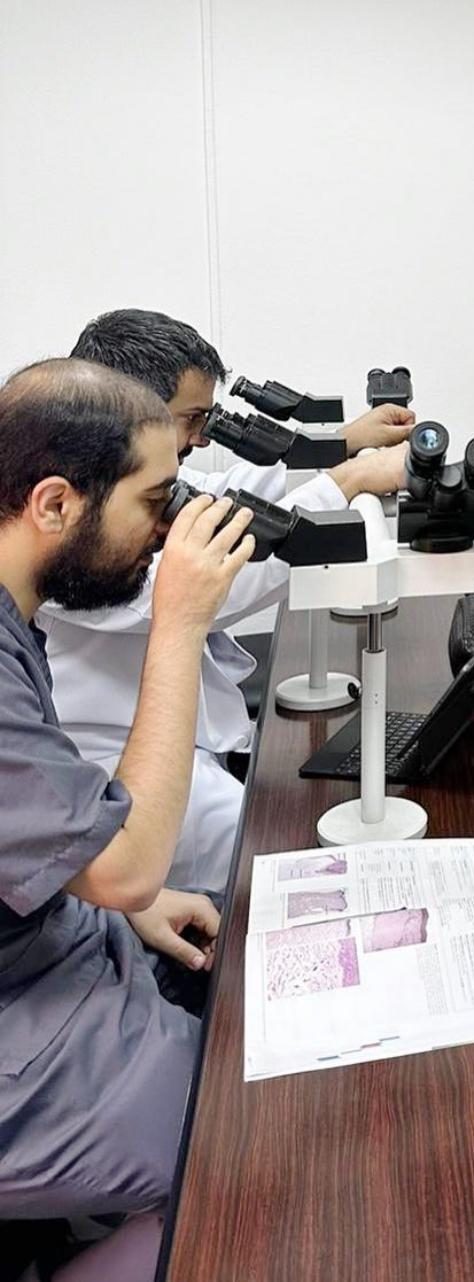
General Dermatology
Residents are expected to complete rotations in general dermatology during their second to fifth year of residency. This exposure to dermatology clinics prepares residents for a future career in dermatology, as general clinics are the bread and butter of the field, with increasing competencies annually.
Pediatric Dermatology
Children face some skin conditions that are unique to their populations, and other dermatological conditions that manifest differently in children and adults. Residents rotating in pediatric dermatology will gain the skills of identifying dermatological conditions in the pediatric population, their management plans, and long-term follow-up.
Dermatopathology
Residents will go through a dermatopathology rotation, exposing them to a magnified view of skin pathology, including malignancies, skin reactions, and even normal skin histology.
Dermatological Surgery
This rotation focuses on dermatological surgery, combining Mohs’ Micrographic Surgery and surgical excision clinics. The resident is expected to progress with knowledge and comfort for procedures at each graded level.
Phototherapy
Throughout this rotation, residents will learn the principles of phototherapy, including basic knowledge of the electromagnetic spectrum, types of phototherapy devices, and their uses in the field.
LASER
During the LASER rotation, residents will gain comprehensive knowledge about LASER, its components, physics, as well as its application in the field of dermatology.
Complex Wound Care
Resident will learn the basics and advanced literary and practical knowledge and skills required for basic and advanced wound care during this block. This block will include caring for ulcers and ones, debridements, packing, and much more.